Emergency Response & Fire Safety Plans for Shuswap and Okanagan Properties
Stay Compliant with Site-Specific Fire Safety / Emergency Response Plans
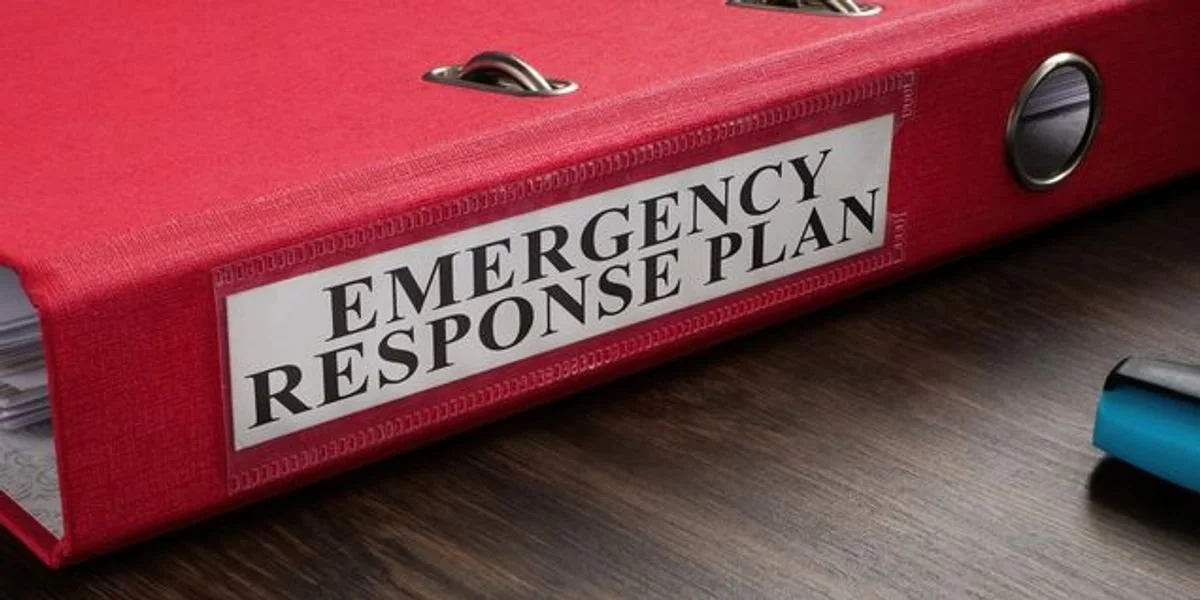
We develop professional emergency response plans and fire safety plans tailored to businesses and facilities across the Shuswap and Okanagan. Our plans are built to meet BC Fire Code requirements and align with WorkSafeBC expectations, ensuring your site is prepared, compliant, and defensible in the event of an incident.
Whether you operate a commercial building, industrial facility, or public-use property, we handle the entire process—site assessment, plan development, and documentation—so you remain compliant without the administrative burden.
Each emergency response plan and fire safety plan is customized to your facility and includes:
Site-specific fire safety procedures
(evacuation protocols, alarm response, emergency contacts)Emergency evacuation plans and diagrams
(clearly marked exits, muster points, routes)Roles and responsibilities
(designated fire wardens, supervisors, accountability procedures)Fire protection systems overview
(extinguishers, alarms, sprinklers, suppression systems)Inspection, testing, and maintenance requirements
(aligned with BC Fire Code and applicable standards)Hazard identification and risk assessment
(fuel loads, high-risk areas, operational hazards)Training and drill procedures
(staff readiness and ongoing compliance)Procedures for notifying emergency services
Documentation formatted for AHJ (Authority Having Jurisdiction) review
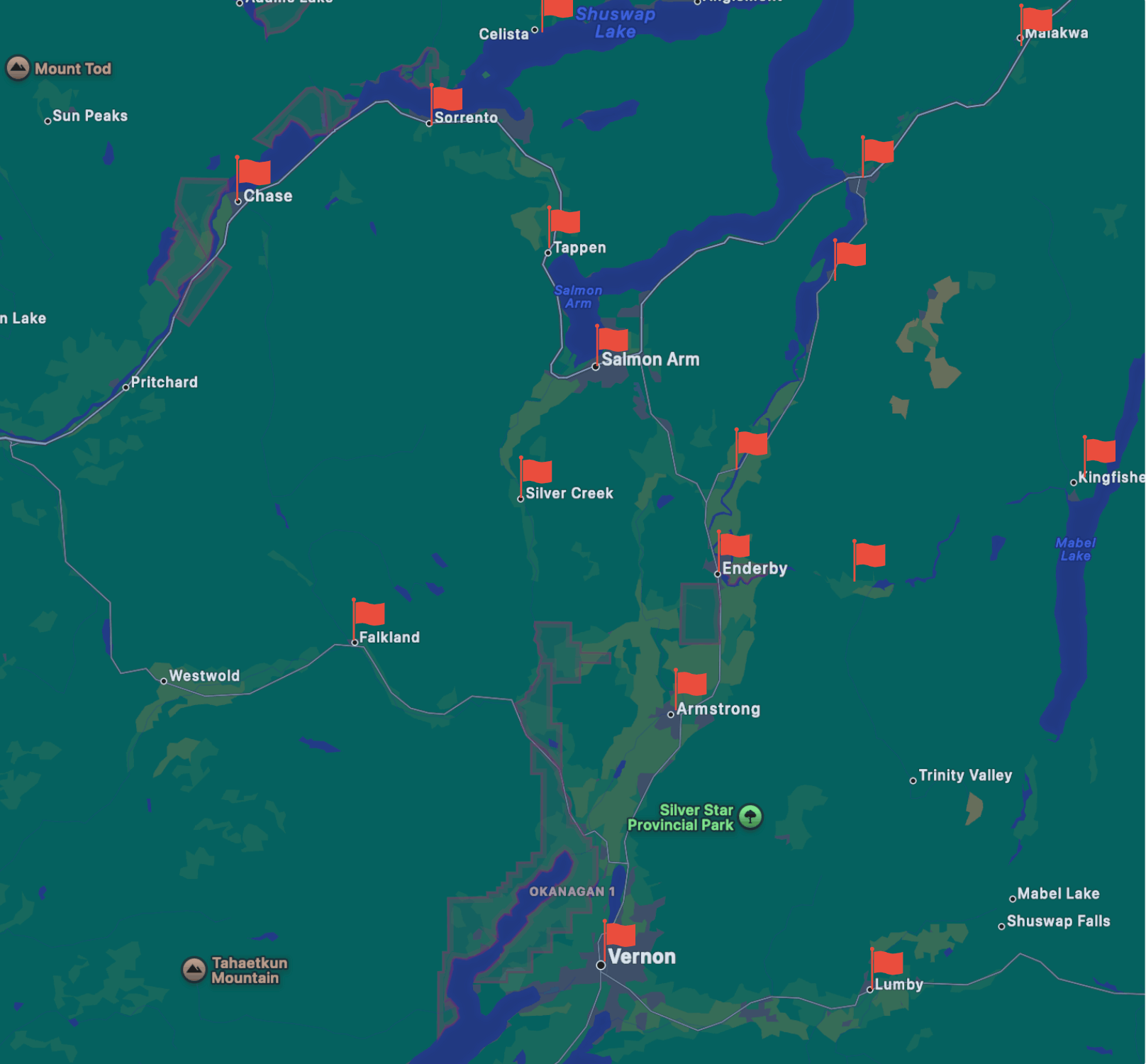
Locations We Serve:
Chase
Blind Bay
Sorrento
Tappen
Salmon Arm
Sicamous
Grindrod
Enderby
Armstrong
Vernon
Lumby
Falkland
Why Compliance Matters (BC Fire Code & WorkSafeBC Requirements)
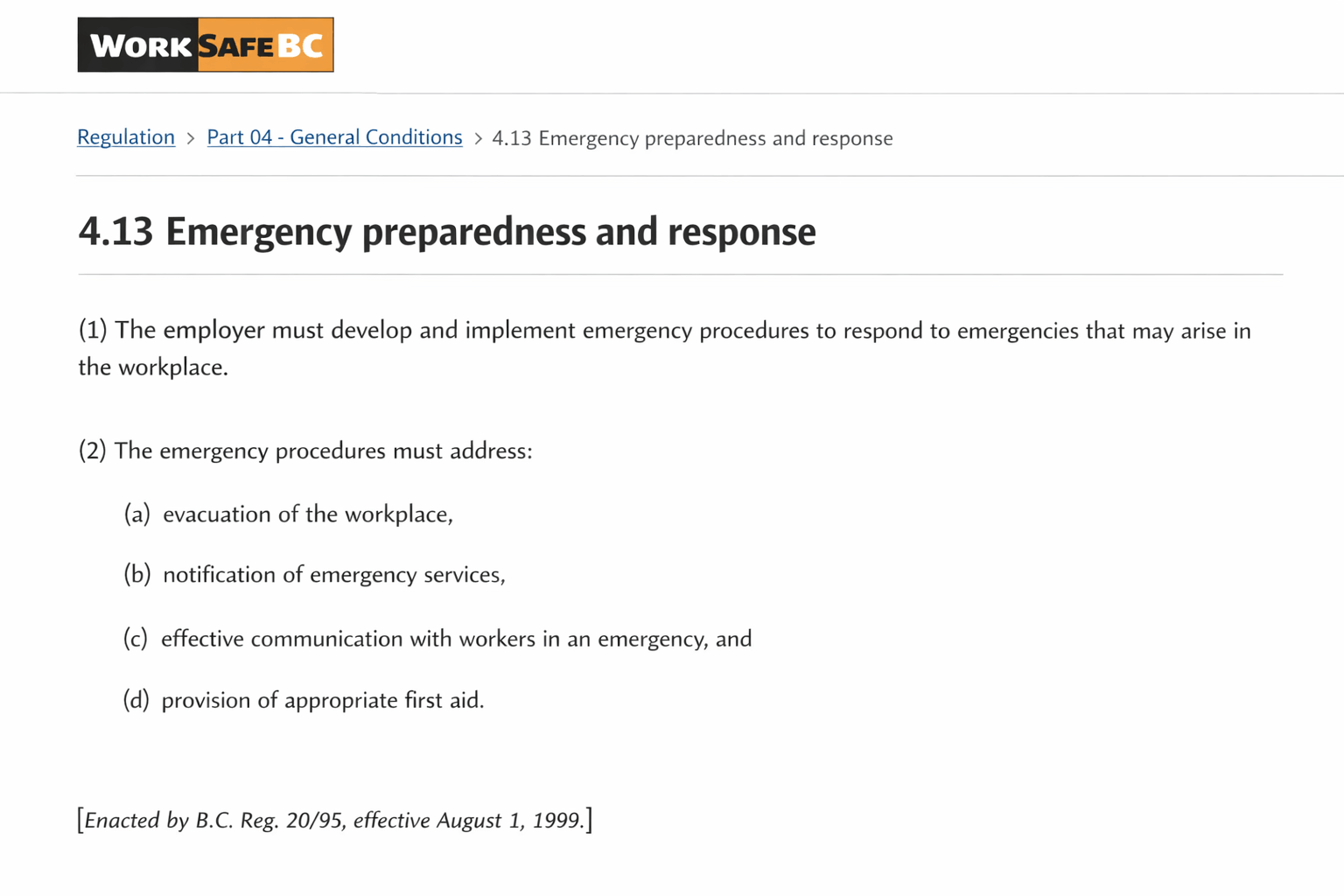
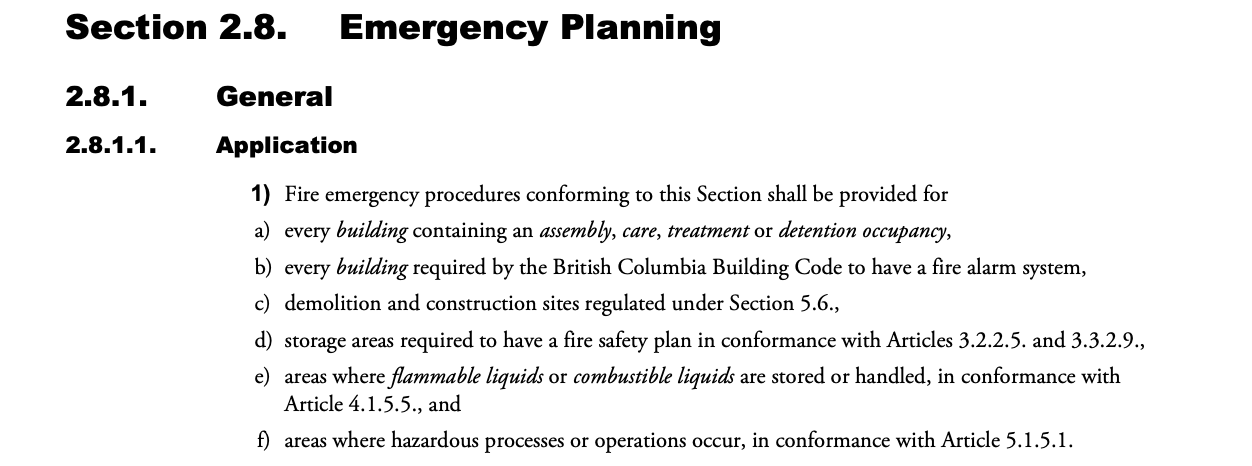
A properly developed Fire Safety Plan is not optional—it is a legal requirement under the British Columbia Fire Code for most commercial, institutional, and multi-tenant properties. In addition, WorkSafeBC regulations require employers to have emergency procedures in place to protect workers.
Non-compliance can result in:
Fines or enforcement action from fire authorities
Increased liability in the event of a fire or injury
Insurance complications or denied claims
Operational shutdowns until deficiencies are corrected
More importantly, a compliant emergency response plan ensures that occupants know exactly what to do during an emergency—reducing risk to life, property, and your
Frequently Asked Questions

-
Yes. Under the BC Fire Code, most commercial, industrial, and multi-unit residential buildings are required to have a documented fire safety plan approved by the local fire authority.
-
A fire safety plan focuses specifically on fire prevention, detection, and evacuation procedures. An emergency response plan is broader and may include additional scenarios such as medical emergencies, hazardous material incidents, or natural disasters. Many businesses require both, and they are often integrated into a single document.
-
Plans should be reviewed at least annually or whenever there are changes to:
Building layout
Occupancy or use
Fire protection systems
Staffing or operational procedures
Regular updates ensure continued compliance with the BC Fire Code and maintain effectiveness in an emergency.